
Description
Aonori Seaweed
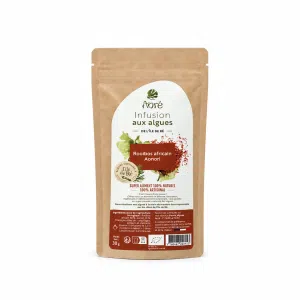
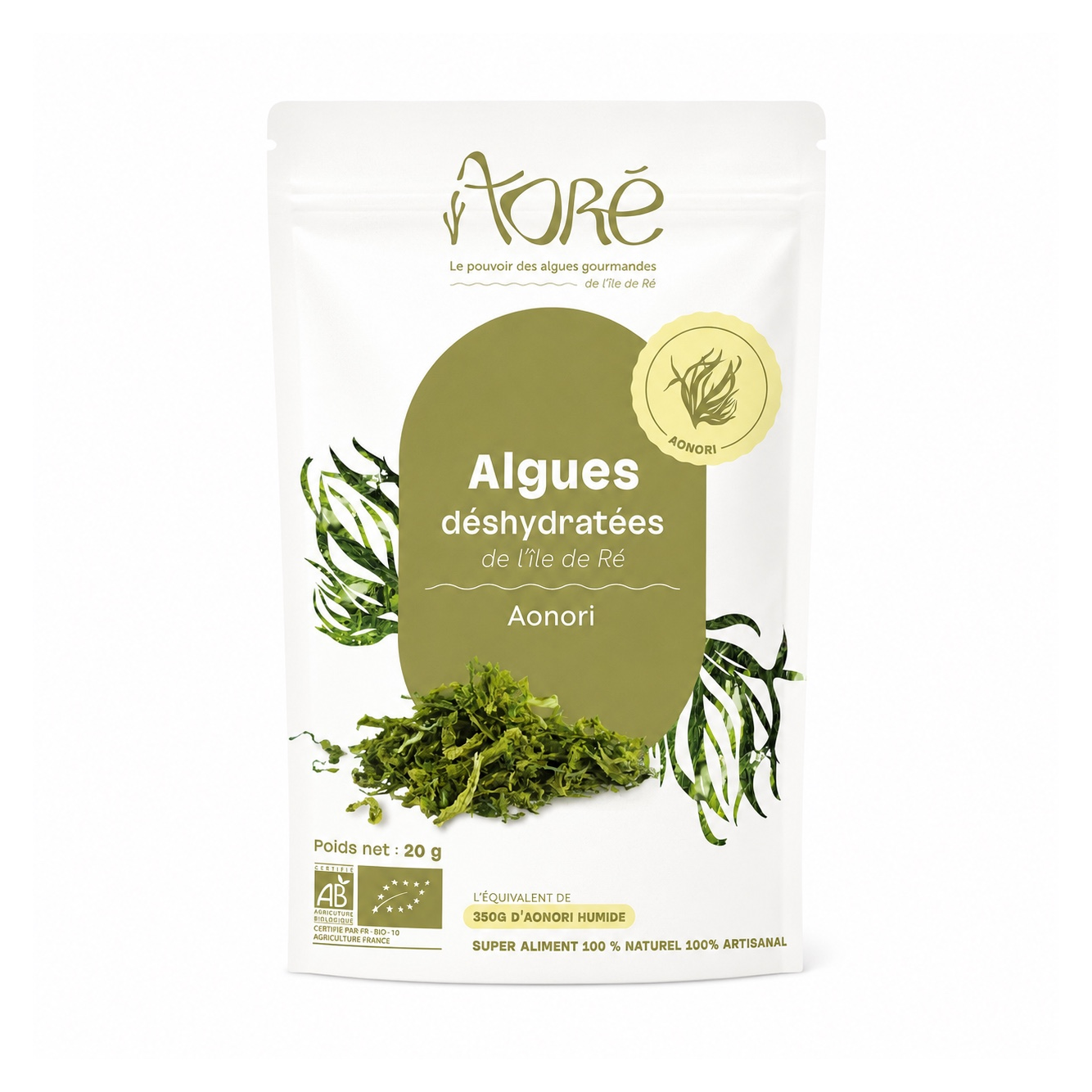
Aonori is an organic, wild green seaweed harvested by hand on the Île de Ré. Its flakes rehydrate when they come into contact with food.
Minerals, vitamins, and trace elements
The seaweed with the highest magnesium content (22 times more than in chocolate), as well as copper and vitamin C (8 times more than in an orange), offers the ideal blend of nutrients to recharge your energy.
Copper is a trace mineral that contributes to normal energy metabolism and protects cells from oxidative stress.
How should you enjoy them?
- Seaweed Tartare
Mix the rehydrated and drained seaweed flakes with finely chopped shallots, gherkins or glasswort, and a little garlic. Add olive oil, a squeeze of lemon, and a dash of apple cider vinegar. Let it chill, then serve on toast or crackers for a fresh, ocean-inspired appetizer. - As a seasoning, it’s as simple as that
Sprinkle a pinch of flakes directly onto your salads, soups, vegetables, omelets, pasta, or rice. A simple step to add a touch of the sea to your everyday meals, with no special preparation required. - In your homemade recipes
Stir the flakes into your bread dough, pie crusts, or savory cakes to give them a delicate, ocean-inspired flavor. It’s a lovely way to mix things up, from bread to share to small appetizers.
Taste it before adding salt: seaweed naturally adds a salty flavor.
And why not try a sweet version?
Try adding a touch of aonori to your butter shortbread or almond cookies, or experiment with it in homemade ice cream made with cow’s milk or plant-based milk. It’s a unique way to explore the combination of sweet and ocean-inspired flavors—just use the flakes sparingly to preserve the dessert’s sweetness.
Grower and producer:
Based in La Flotte, Aoré specializes in harvesting and processing edible seaweed. Hand-harvested along the coast of Île de Ré, the wild seaweed is then processed locally at the company’s facility.
Through its products, Aoré aims to introduce people to the flavors of seaweed and make them accessible for everyday cooking. Dried seaweed, seaweed tartares, and seasonings offer different ways to enjoy them—whether to enhance a recipe or discover new flavor combinations.
A local initiative that highlights coastal resources and encourages people to take a fresh look at these marine plants.
Quality and Drying Method
The seaweed, which is of raw quality, is dehydrated at a low temperature—below 40 °C—using solar energy and protected from UV rays.
Nutritional Values per 100 g
Energy: 932 kJ / 224 kcal; Fat: 2.5 g, of which saturated fatty acids: 0.2 g; Carbohydrates: 18.8 g, of which sugars: 0 g; Protein: 13.7 g; Salt: 11.9 g.
Shelf life: 3 years. See the date printed on the package.